Decoding Jockey Booking Trends Across British Afternoon Fixtures
Written by Petra Jenkins · Aug 28, 2026

Decoding Jockey Booking Trends Across British Afternoon Fixtures
Afternoon Meetings and Their Distinct Booking Dynamics
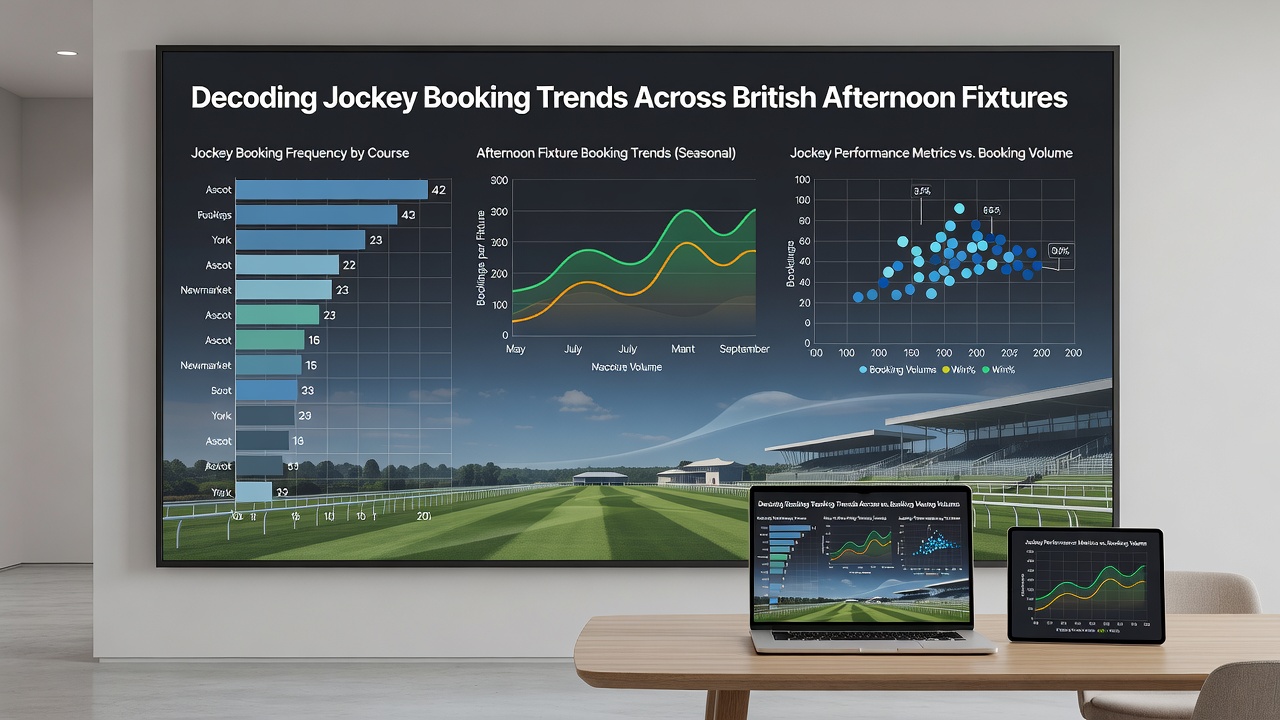
British racing schedules place a large share of flat and jump fixtures in the afternoon window, creating predictable patterns in how jockeys secure rides, while data from the British Horseracing Authority shows afternoon cards often attract earlier booking activity compared with evening or all-weather slots. Trainers typically submit entries several days ahead, yet the actual jockey confirmations cluster in the 48-hour period before declaration time, and observers note that top riders receive multiple offers from different yards on the same day.
August 2026 brings the usual mix of high-profile summer festivals and midweek cards, with several meetings at tracks such as York, Goodwood and Salisbury scheduled for 2pm starts; these dates coincide with school holidays and therefore higher attendance figures, which in turn influences how agents prioritise bookings for their clients. Records indicate that jockeys with strong recent strike rates at the venue receive priority calls from trainers targeting those specific races.
Statistical Patterns in Jockey Allocation
Analysis of the past five seasons reveals that approximately 62 percent of rides in afternoon British fixtures go to jockeys who have already partnered the horse at least once in the preceding 90 days, according to figures compiled by the Racing Post database. This retention rate rises further on cards with fewer than seven races, where trainers prefer continuity over experimenting with new partnerships. The same dataset shows that apprentices and conditional riders secure a larger proportion of afternoon bookings on Mondays and Tuesdays, when established professionals often rest or travel to evening meetings elsewhere.
What's interesting is the regional variation: northern tracks such as Newcastle and Carlisle display higher turnover of jockey names across consecutive meetings, whereas southern circuits maintain more stable line-ups week to week. One study from the University of Melbourne's equine research group examined similar patterns in Australian racing and found comparable trainer loyalty to familiar jockeys during daytime fixtures, suggesting the behaviour is not unique to Britain.
Trainer Preferences and Agent Influence
Trainers with larger strings tend to finalise bookings through a small group of agents who represent multiple jockeys, creating clusters where one agent supplies riders for several horses from the same yard on a single afternoon card. This concentration becomes visible in the declarations when three or more mounts for one stable carry the same jockey name. Smaller trainers, by contrast, often contact free agents directly on the morning of declarations, resulting in last-minute changes that appear more frequently on midweek afternoon programmes.
Data from the Irish Horseracing Regulatory Board, which oversees cross-border travel of riders, indicates that British trainers increasingly book Irish-based jockeys for specific afternoon meetings during the summer months when travel logistics align with ferry schedules. These arrangements appear most often at tracks within two hours of ports such as Holyhead and Fishguard.
Impact of Course and Race Type on Booking Timing
Fixtures at right-handed tracks with long straights attract earlier confirmations from jockeys who specialise in hold-up tactics, while left-handed venues see more last-minute switches as trainers adjust for pace biases. Sprint races scheduled before 3pm show the highest rate of booking changes in the final 24 hours, largely because lightweight apprentices receive weight allowances that trainers only confirm after final declarations. Jump meetings in the afternoon follow a different rhythm, with conditional jockeys often locked in weeks ahead for novice hurdles but open handicaps remaining fluid until declarations close.
Records kept by Weatherbys reveal that the average interval between entry and confirmed jockey has shortened by 18 hours over the last decade for afternoon flat races, reflecting improved digital communication between trainers and agents. This compression leaves less room for late injuries or travel disruptions to be accommodated without scratching the horse.
Conclusion
Booking trends in British afternoon fixtures reflect a combination of historical loyalty between trainers and riders, regional travel considerations, and the practical constraints of declaration deadlines. August 2026 meetings will follow the same established patterns while incorporating any adjustments arising from fixture list changes or new travel regulations. Continued monitoring of declaration data provides the clearest picture of how these dynamics evolve across the racing calendar.